
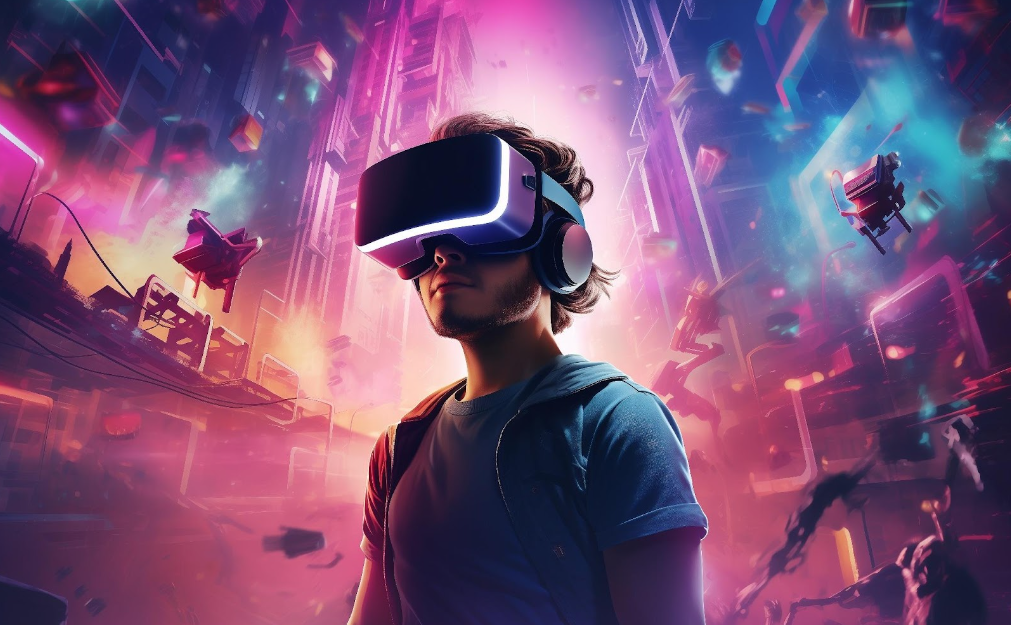
The game development industry is experiencing a technological revolution where artificial intelligence, machine learning and automated systems are fundamentally reshaping how studios creates interactive experiences. Recent research shows that 87% of game developers now use AI agents to automate routine tasks, signaling a massive transformation in video game production workflow.
The Rise Of AI-Powered Game Development Tools
AI integration has dramatically reduced production timelines while elevating game quality and complexity. Modern game studios leverage automated systems for tasks that once consumed thousands of hours of manual labor– from procedural content generation to automated testing and asset creation.
Procedural Content Generation (PCG) enables developers to build fast, iterative tools ranging from building generations to entire world. This technology powers some of gaming’s most ambitious projects like Minecraft, No Man’s Sky and The Binding of Isaac, creating virtually infinite content from finite development resources. PCG uses advanced algorithms to generate game content through random process resulting in unpredictable gameplay that offers near-infinite replay-ability.
Machine Learning & Automated Testing
Traditional QA testing is time-consuming and expensive with experts estimating that fixing one production bug costs an average of $50,000. Automated testing systems are transforming this landscape by exploring game environments autonomously, identifying bugs and running tests more quickly than human testers.
Behavioral AI engines can simulate millions of gameplay scenarios, stress-testing games beyond human capabilities. Die Gute Fabrik, a small indie studio, used AI testing tools allowing a single QA team member to oversee tasks requiring hundreds of manual hours. This democratization of sophisticated testing capabilities levels the playing field for independent developers.
Robotics In Motion Capture & Animation
Robotics technology intersects with game development through sophisticated motion capture systems and AI-powered animation tools. These innovations creates more realistic character movements while reducing production cost through physics-based animation systems, automated character rigging and procedural animation that responds to environmental physics.
Economic Impact & Market Growth
The AI Game Generator Market is expected to reach $21.26 billion by 2034, expanding at a CAGR of 29.2%. This explosive growth reflects the industry’s commitment to automation technologies. Independent game developers hold a 38% market share, benefiting most from AI platforms as they face resource constraints yet seek to deliver high-quality, innovative games.
Nearly 40% of studios have achieved productivity gains exceeding 20% through AI adoption, while 25% report cost reductions of over 20%. These metrics demonstrate tangible business value beyond theoretical potential.
Challenges & Ethical Considerations
Electronic Arts staff reports that AI tools sometimes produce flawed code requiring correction, highlighting implementation challenges. Concerns exist about AI-generated content lacking artistic depth compared to human-created designs along with worries about job displacement for artists, testers and designers.
AI functions more like co-pilots rather than full automation, suggesting the future involves human-machine partnership rather than replacement. Successful implementation requires thoughtful integration that augments rather than eliminates human creativity.
The Future Of Game Development
Sophisticated AAA games currently takes 3-4 years to develop but AI-powered tools will enable new games to launch in months. AI tools are lowering barriers to entry, allowing solo developers and small teams to create experiences previously requiring massive studios. Games will increasingly generate unique content during gameplay rather than pre-production, offering personalized experiences for every player.
AffableTech stands as a leading force in this revolution, leveraging cutting-edge models like GPT, DALL-E and Stable Diffusion to help businesses create immersive gaming experiences.
With expertise in GenAI solutions, AR/VR technology and Cloud computing, AffableTech empowers companies to harness automation for enhanced engagement and operational efficiency. Our comprehensive game development services enables businesses to transform from traditional models to future-ready, AI-enhanced production pipelines, ensuring organizations stay competitive in the rapidly evolving gaming landscape.


